

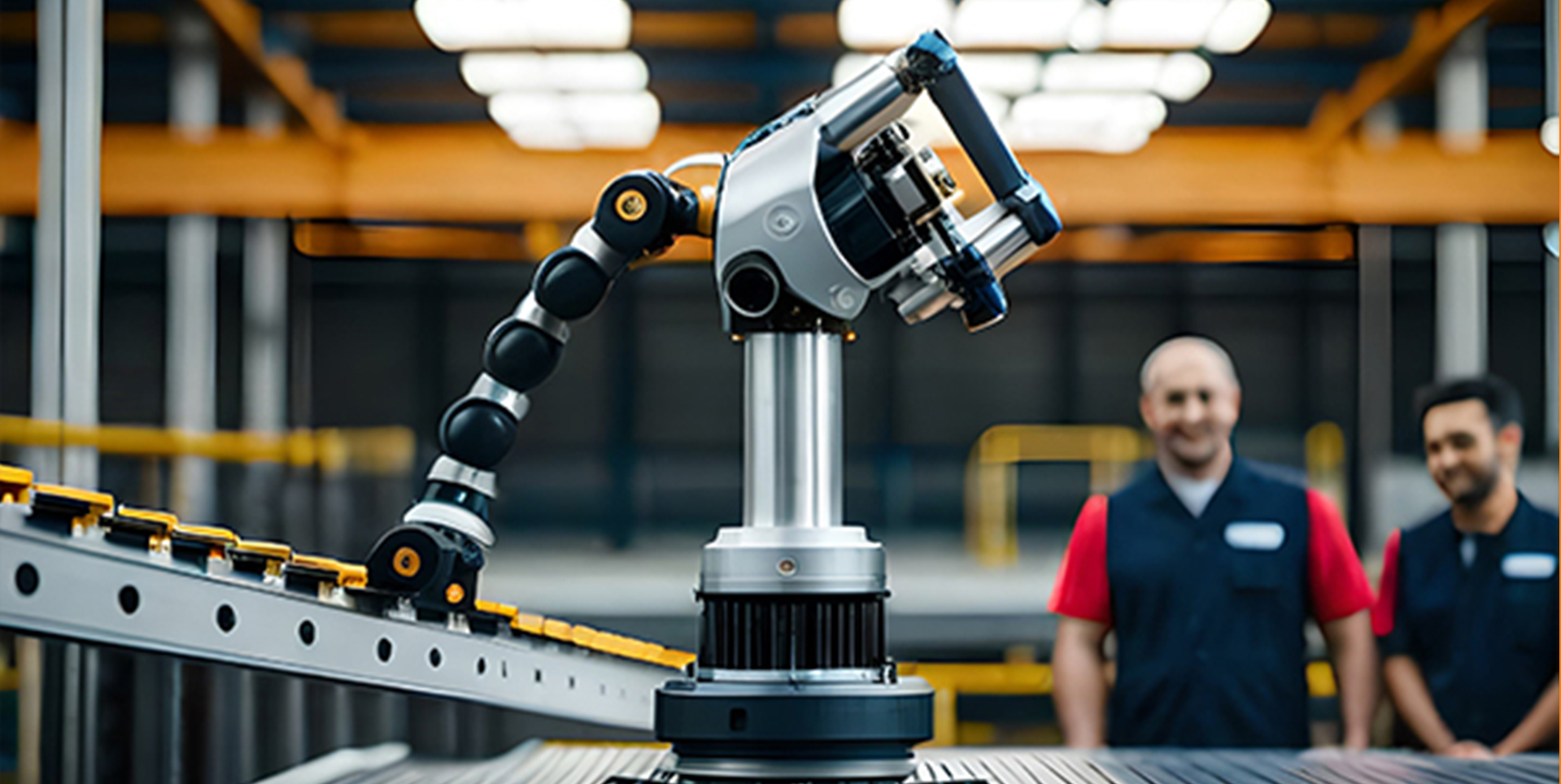
Packaging is one of the most critical stages in the production chain — a process where quality, speed, and precision directly affect overall productivity.
In the past, packaging was performed manually and relied heavily on human labor. However, with the rise of mass production and the growing demand for standardization, the packaging industry has taken a new direction — toward automation and intelligent systems.
Although manual packaging was once a practical solution, it soon revealed its limitations as production volumes increased.
Some of the major challenges in traditional methods include:
These challenges encouraged manufacturers to move toward automated and mechanized packaging lines.
The introduction of automated machinery and PLC-based control systems has revolutionized industrial packaging.
Today’s modern packaging machines can perform processes such as dosing, filling, sealing, gluing, and labeling with remarkable accuracy and consistency.
As a result, production speed has increased, dependence on human labor has decreased, and overall product quality has become more uniform.
Automation in packaging is not just about speed — it’s about creating a more efficient and reliable production environment.
The key benefits include:
In other words, automated packaging systems are not only tools of production — they are drivers of sustainable growth and profitability.
The next phase of packaging innovation lies in data-driven intelligence.
Smart packaging machines, equipped with sensors and AI algorithms, can analyze performance data, predict potential failures, and automatically adjust parameters for optimal efficiency.
This transition transforms traditional production lines into intelligent, predictive, and self-optimizing ecosystems.
The shift from manual labor to intelligent automation is more than just a technological change — it represents a strategic evolution in productivity and industrial vision.
Companies embracing automation today will become the industry leaders of tomorrow, shaping the future of efficient and intelligent packaging.